
MATH.PICK
Creating Sustainable
Efficiency in
Warehouse
Operations
MATH.PICK
Warehouse Optimization Software
MATH.PICK provides holistic, data-driven optimization of warehouse operations. By intelligently combining storage location optimization, order grouping, and travel-path optimization, the software sustainably reduces travel distances, process costs, and operational complexity.
The result: higher productivity, shorter throughput times, and improved utilization of available warehouse space.
Reduced Travel Distances
Sustainably reduce walking and vehicle travel distances within the warehouse.
Higher Picking Performance
Increase the number of picks per employee.
Improved Space Utilization
Optimize storage locations and product placement across the warehouse.
Data-Driven Optimization
Simulation-based decisions instead of relying on intuition.
Three Levels of Optimization
From an optimized warehouse layout to efficient travel-path planning.

Optimize Storage Locations
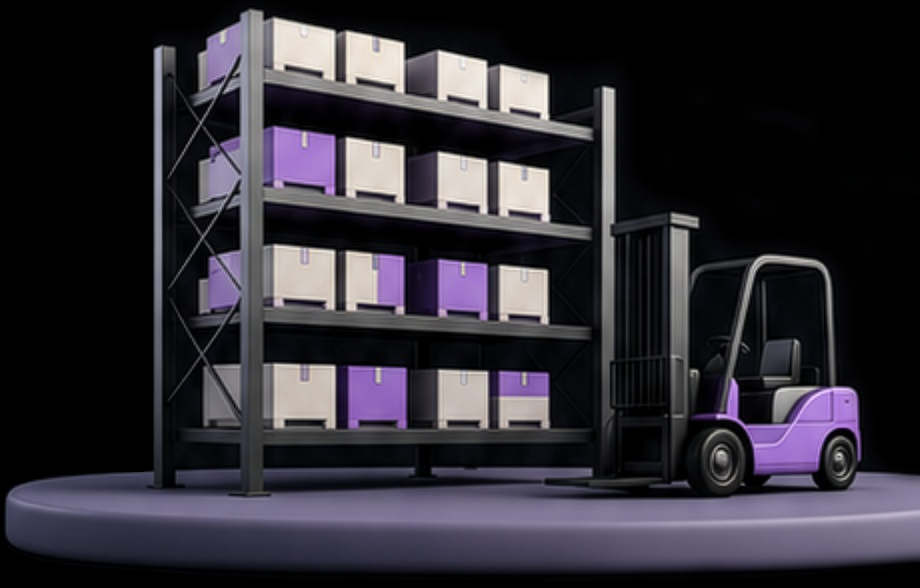
The right products in the right locations within the warehouse.
MATH.PICK analyzes movement data, product structures, and the existing warehouse layout to determine the optimal storage location assignment. Products are positioned based on their turnover frequency, volume, and access probability, ensuring efficient storage and retrieval processes.
Your Benefits
- Structured and clearly organized warehouse areas
- Shorter walking and vehicle travel distances
- Improved utilization of available warehouse space
- Reduced search and access times

Generate Picking Orders
Optimized generation of picking orders.
MATH.PICK automatically generates picking orders based on operational and economic optimization criteria. Depending on the order structure and current process requirements, orders can be grouped into batches to minimize zone changes or processed individually to simplify the overall workflow.
Your Benefits
- Reduced travel distances and empty runs
- Increased picking performance
- Optimized resource utilization
- Reduced process costs

Optimize Travel Paths
Intelligently integrate orders, vehicles, staff and operational constraints.
MATH.PICK optimizes the actual walking and vehicle travel paths within the warehouse. The optimization takes into account the warehouse zones visited, changes between levels and aisles, actual travel distances, and individual process requirements. Optionally, the travel-path optimization can be extended with intelligent forklift control and routing.
Your Benefits
- Shorter picking times
- Reduced vehicle movements
- Higher productivity per employee
- Sustainable reduction in operating costs
Drei Ebenen der Optimierung
1
Lagerspiegel optimieren
Die richtige Ware am richtigen Platz im Lagerbereich
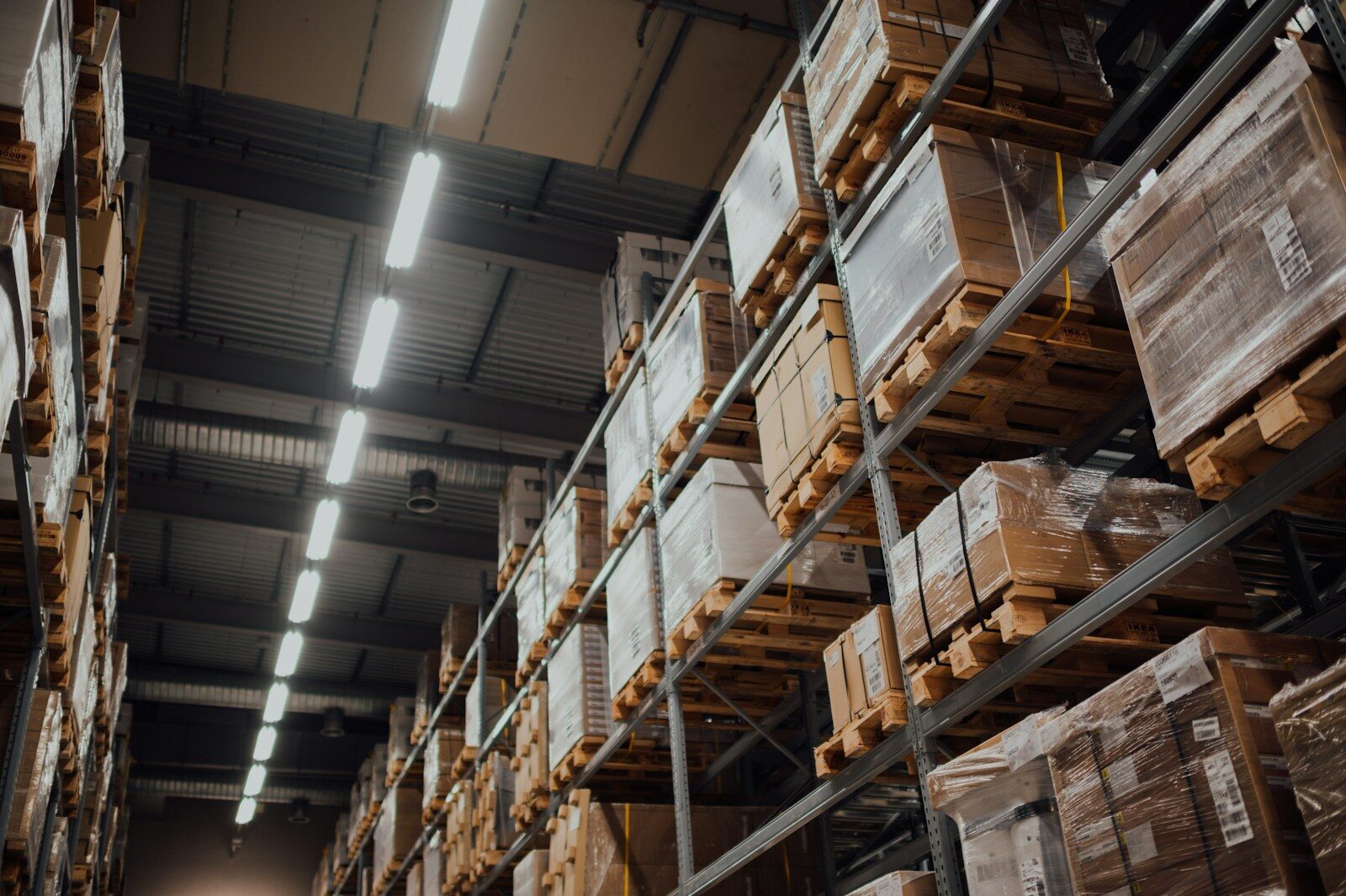
MATH.PICK analysiert Bewegungsdaten, Artikelstrukturen und das vorhandene Lagerlayout und berechnet daraus den optimalen Lagerspiegel.
Artikel werden entsprechend ihrer Umschlagshäufigkeit ihres Volumens und ihrer Zugriffswahrscheinlichkeit optimal positioniert.
Vorteile
- Strukturierte und übersichtliche Lagerbereiche
- Kürzere Lauf- und Fahrwege
- Bessere Flächenausnutzung
- Reduzierte Such- und Zugriffszeiten
2
Lageraufträge erstellen
Optimierte Generierung von Kommissionierungsaufträgen

MATH.PICK erstellt Lageraufträge automatisch nach den wirtschaftlich sinnvollsten Kriterien.
Je nach Auftragsstruktur und Prozesssituation werden Aufträge batchbezogen zusammengefasst, um Bereichswechsel zu minimieren oder auftragsbezogen gebildet, um die Prozesskette zu vereinfachen.
Vorteile
- Weniger Wege und Leerfahrten
- Höhere Kommissionierleistung
- Optimierte Ressourcenauslastung
- Reduzierte Prozesskosten
3
Wege optimieren
Aufträge, Fahrzeuge, Mitarbeiter und Restriktionen importieren.
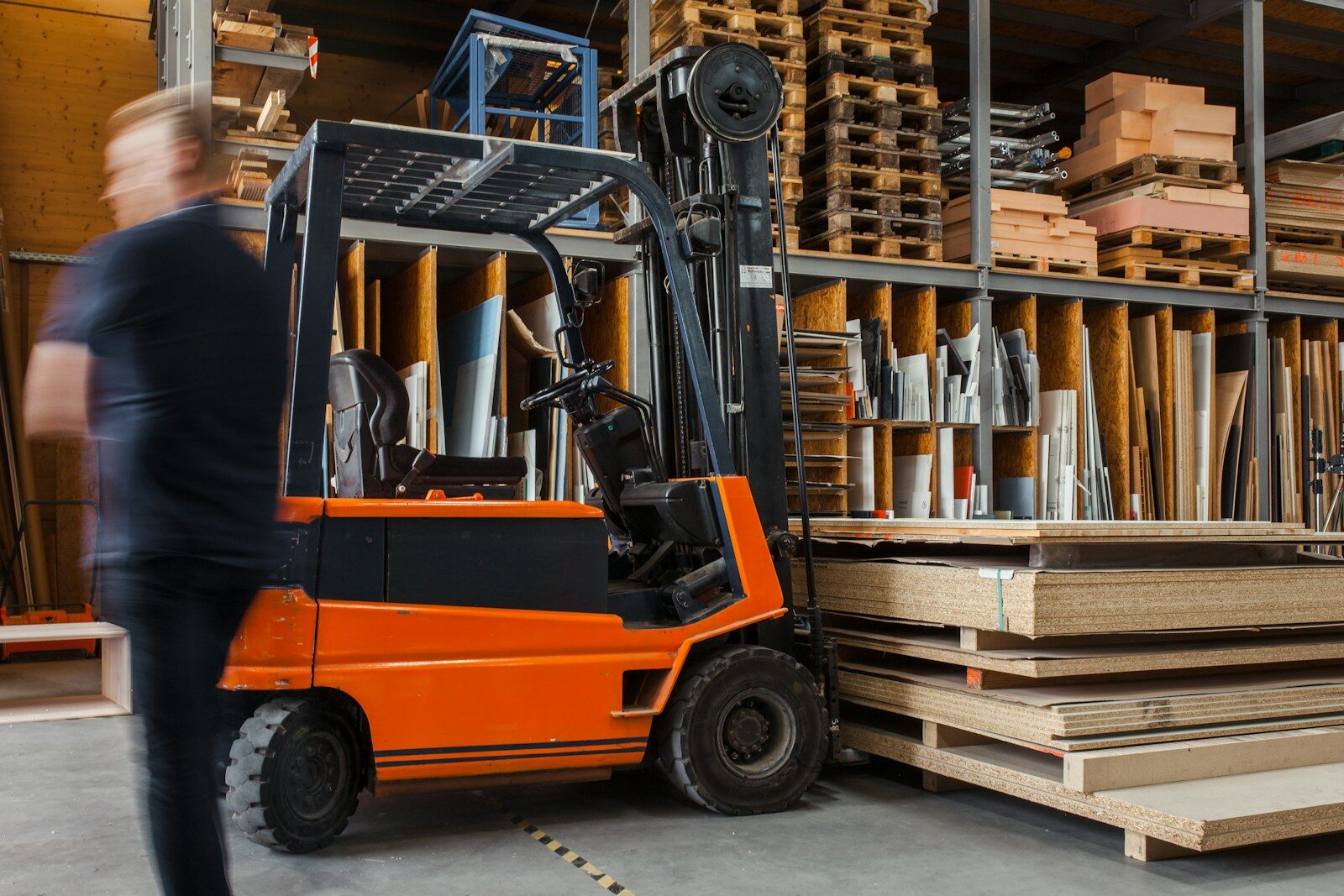
MATH.PICK optimiert die tatsächlichen Lauf- und Fahrwege innerhalb des Lagers. Dabei werden Minimierung der besuchten Lagerbereiche, Reduzierung von Ebenen- und Gangwechseln
Reale Entfernungen und Lagerstrukturen und individuelle Prozessvorgaben berücksichtigt. Optional kann die Wegoptimierung um eine intelligente Staplersteuerung erweitert werden.
Vorteile
- Kürzere Kommissionierzeiten
- Weniger Fahrbewegungen
- Höhere Produktivität pro Mitarbeiter
- Nachhaltige Senkung der Betriebskosten
Input Data
Product and Master Data
Order Data
Warehouse Layout
MATH.PICK
ANALYZES. CALCULATES. OPTIMIZES.
Optimized Output Data
Picking Orders
Storage Location Assignment
Warehouse Layout
Walking and Vehicle Travel Paths
Scenario Analyses
Sensitivity Analysis
Understand Scenarios and Make Informed Decisions
The integrated sensitivity analysis enables different warehouse and process scenarios to be simulated and evaluated. Parameters that can be varied include:
- Capacity utilization
- Order structure
- Zone sizes
- Batch ratio
- Storage strategies
The resulting impact on walking distances, vehicle travel distances, process times, and resource utilization is presented transparently. This allows optimization potential to be reliably assessed before changes are implemented.
Optimize Your Warehouse Operations
Discover how MATH.PICK can sustainably optimize your warehouse processes and achieve lasting reductions in process costs.
Warehouse Layout Editor
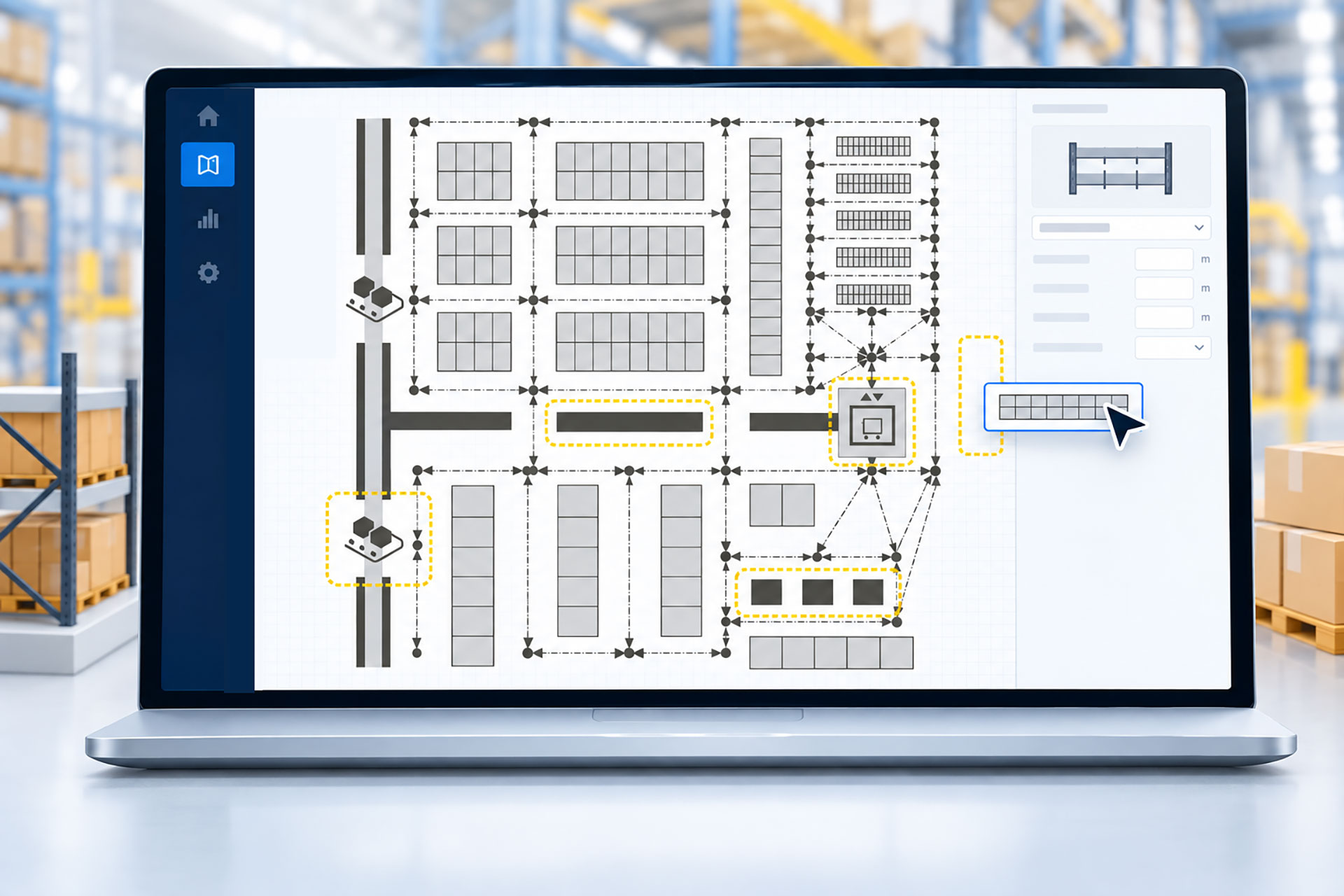
Our Warehouse Layout Editor enables you to create a scale-accurate digital representation of your entire warehouse, providing the foundation for data-driven optimization and realistic simulations.
From structural warehouse planning to detailed travel-path and routing logic, the tool enables precise and flexible modeling of your warehouse environment—digital, transparent, and adaptable at any time.
hide
hide
Scale-Accurate Digital Representation
Your entire warehouse is modeled digitally with real-world dimensions and a high level of accuracy. Racking systems, storage locations, aisles, and infrastructure are represented to scale, providing a reliable basis for simulation, analysis, and process optimization.
Intelligent Route Network Generation
Define a customized route network tailored to your operational requirements:
- One-way routing for structured material flows
- Bidirectional aisles for maximum routing flexibility
- Dynamic route adjustments when warehouse layouts change
The system accurately represents real-world walking and travel paths, providing transparency and revealing potential opportunities for optimization.
Multiple Access Options for Storage Locations
Model complex storage-location access scenarios:
- Access from multiple aisle sides
- Flexible approach options
- Optimized routing under high warehouse utilization
This helps reduce bottlenecks and improve the efficiency of picking processes.
Simulation of Infrastructure & Material Handling Systems
Plan and evaluate your warehouse under realistic operating conditions:
- Obstacles and restricted areas
- Elevators and level changes
- Conveyor systems and automated material handling systems
Simulation allows the impact on travel distances, throughput times, and material flows to be analyzed before changes are implemented.